
A Trip to Vegas

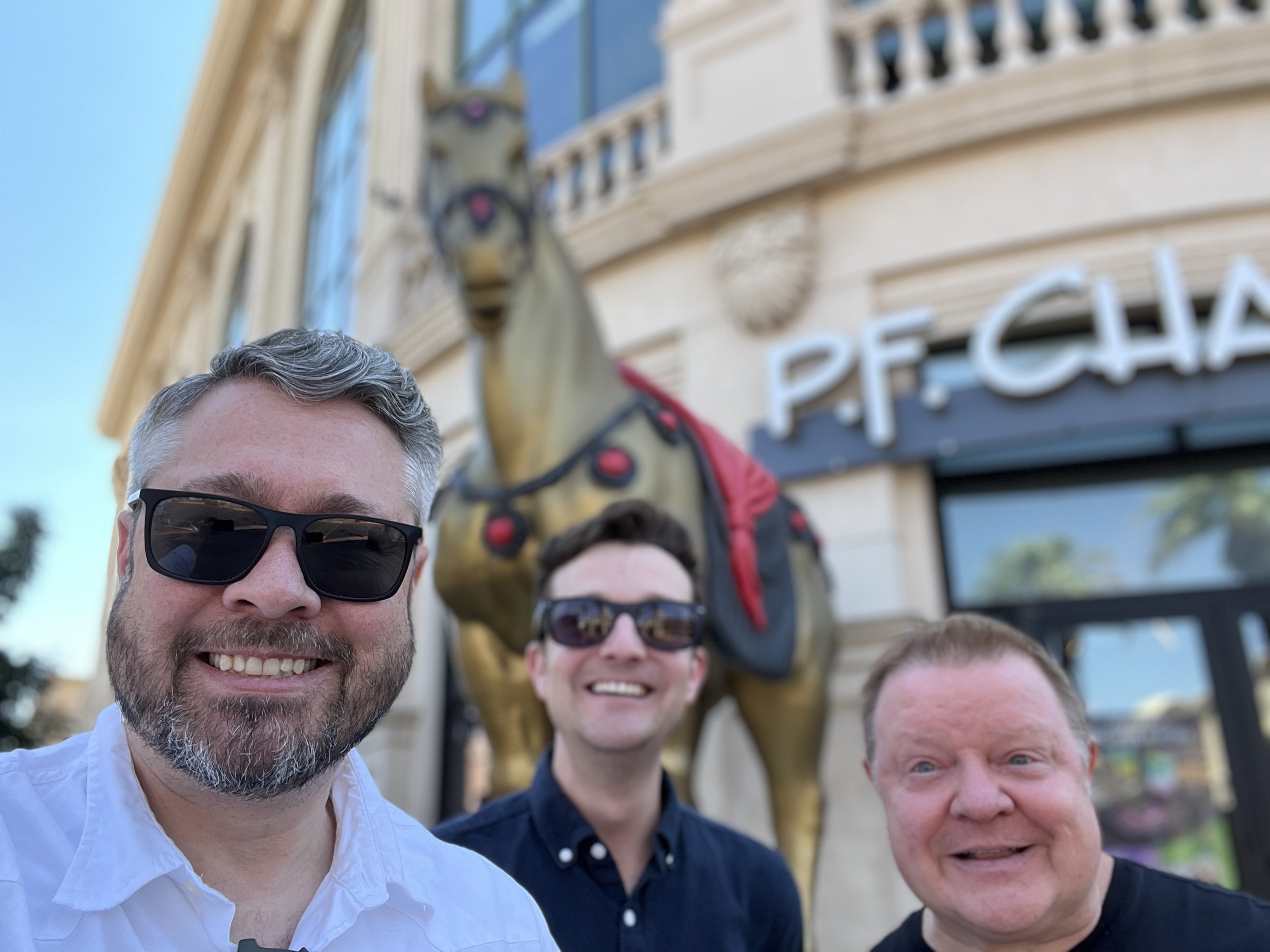
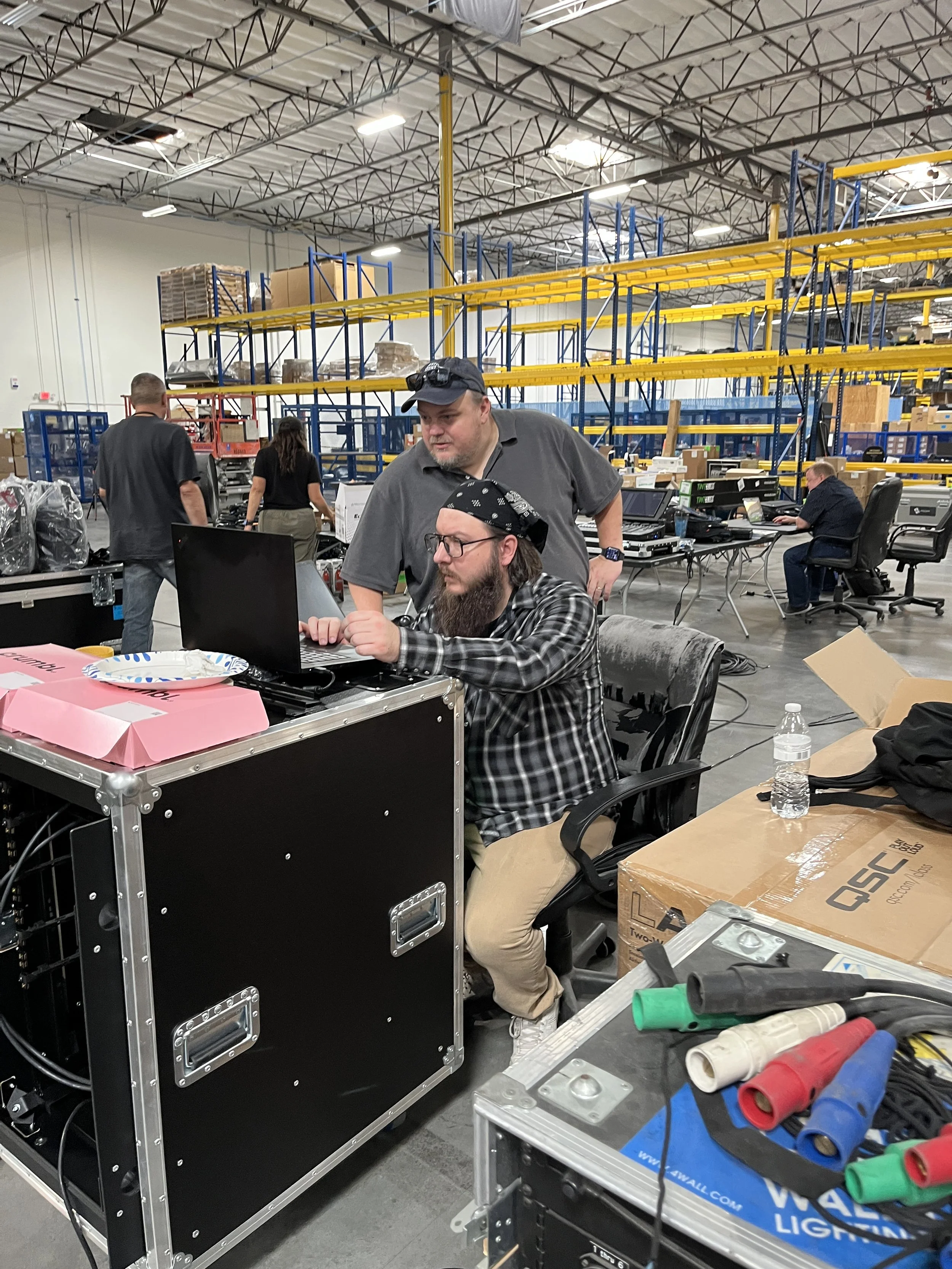
In early August, a small group from Lunar Telephone Company and American Christmas met-up in the desert heat of Las Vegas - not for a Cirque du Soleil show, not for a conference, not for the slots, but for something WAY MORE FUN: a full-scale test of an ambitious lighting effect.
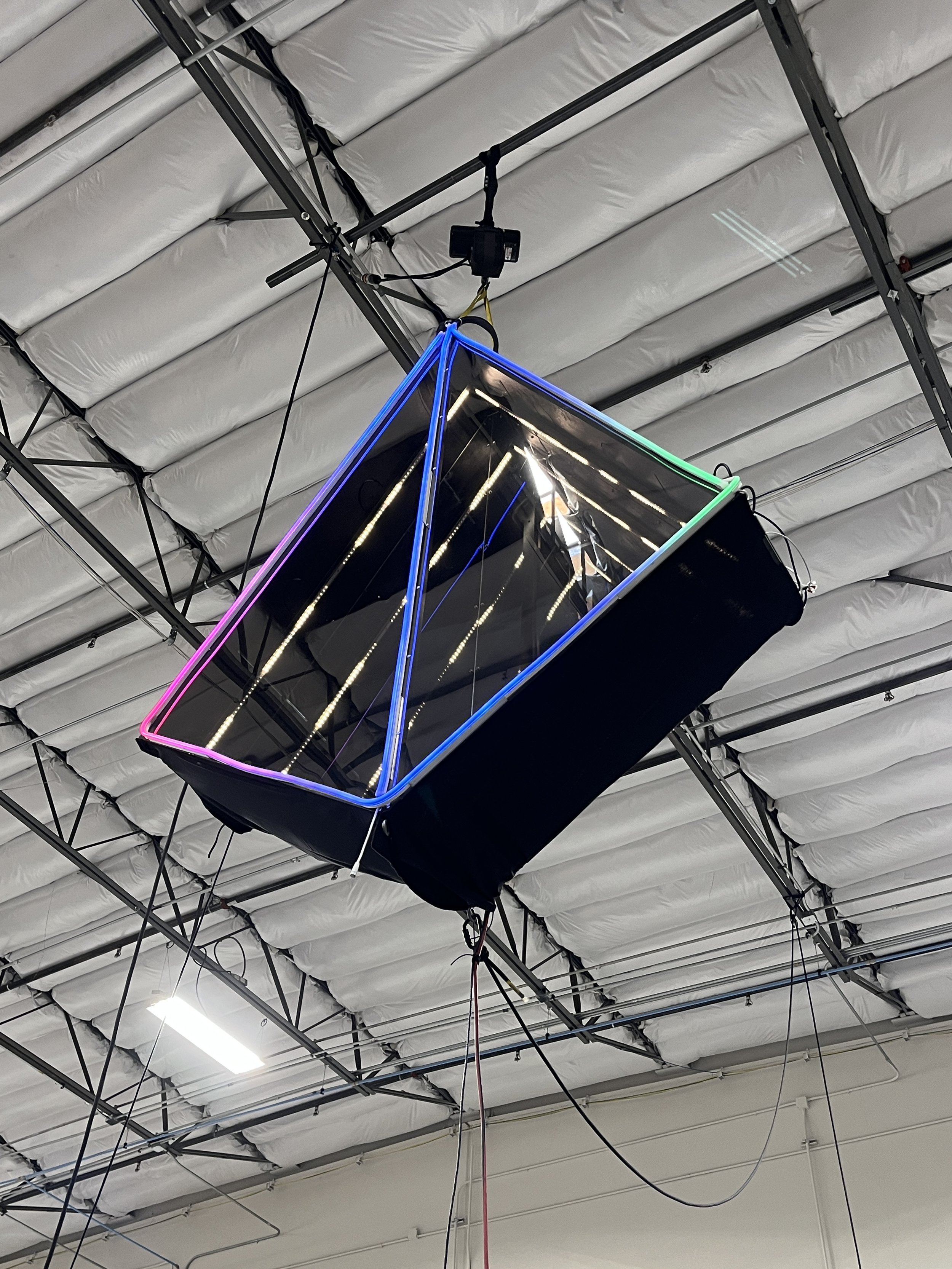
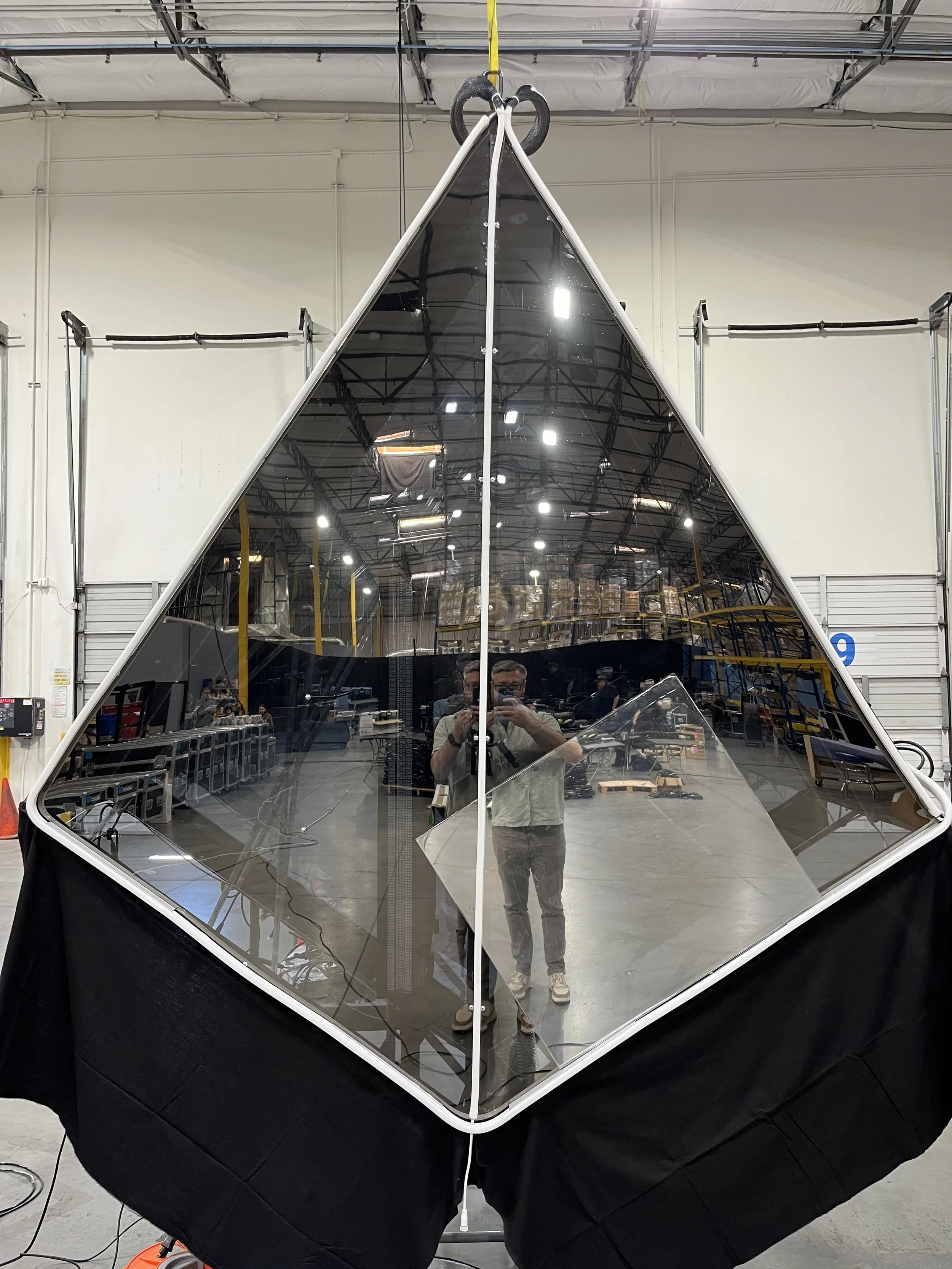
Hosted at 4Wall’s Las Vegas location, the session brought together our team, our longtime partners at American Christmas, and a lot of mirrored panels. The goal? To prototype a first-of-its-kind infinity mirror piece for this year’s Saks Fifth Avenue Holiday Facade in New York City.
At the heart of the concept is a set of two-way / one-way mirror materials, layered and lit to create a deep, repeating visual field - a window into endless sparkle. But executing that vision at large architectural scale, outdoors, and under winter conditions on Fifth Avenue? That takes more than sketches and simulations. It takes mock-ups.
We explored:
Lighting intensity and beam spread - What’s bright enough to punch through mirrored layers
Spacing between surfaces - How much depth is just enough? More depth adds weight and decreases intensity and therefore the impact of the visual effect
Fixture placement and pixel density - What level of resolution creates the right pattern of light? What effects will be possible
Mechanical attachment methods - How do we secure panels while allowing for servicing, safety, and wind loads? What mounting angle is required to ensure the mirror reflects the most pleasing view of Rockefeller Center and it’s famous tree?
Weight calculations - Because every ounce matters when you’re mounting to a landmark building.
These mock-ups gave our fabricators room to play. They gave our programming team critical data. And they gave us confidence that the design we’re building isn’t just clever - it’s going to work.
As with most things we touch, this project is equal parts storytelling, engineering, and visual poetry. And it all starts in places like this: a warehouse in Vegas, a mirror panel on a chain motor, and a few curious people asking “What if?”
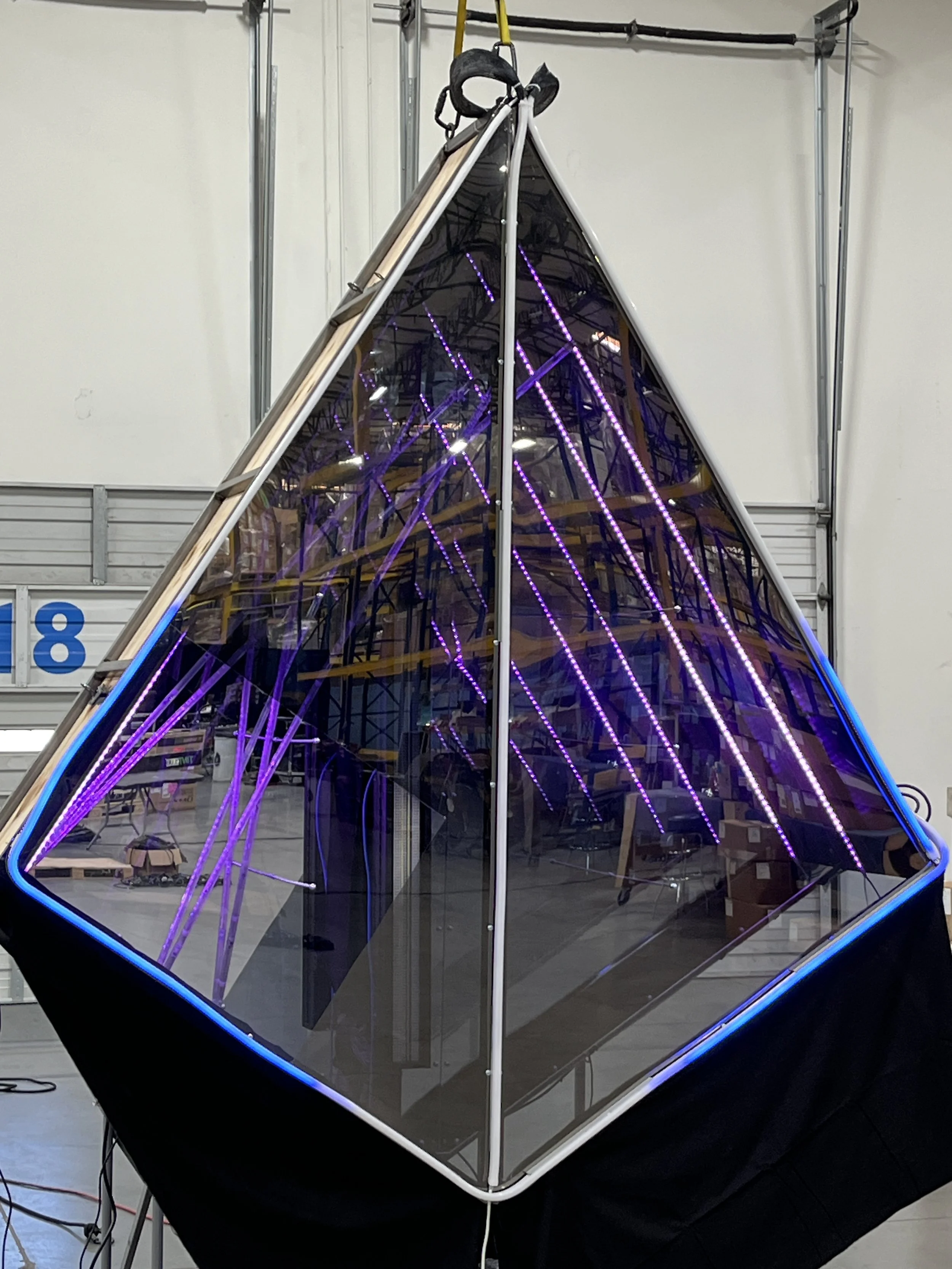
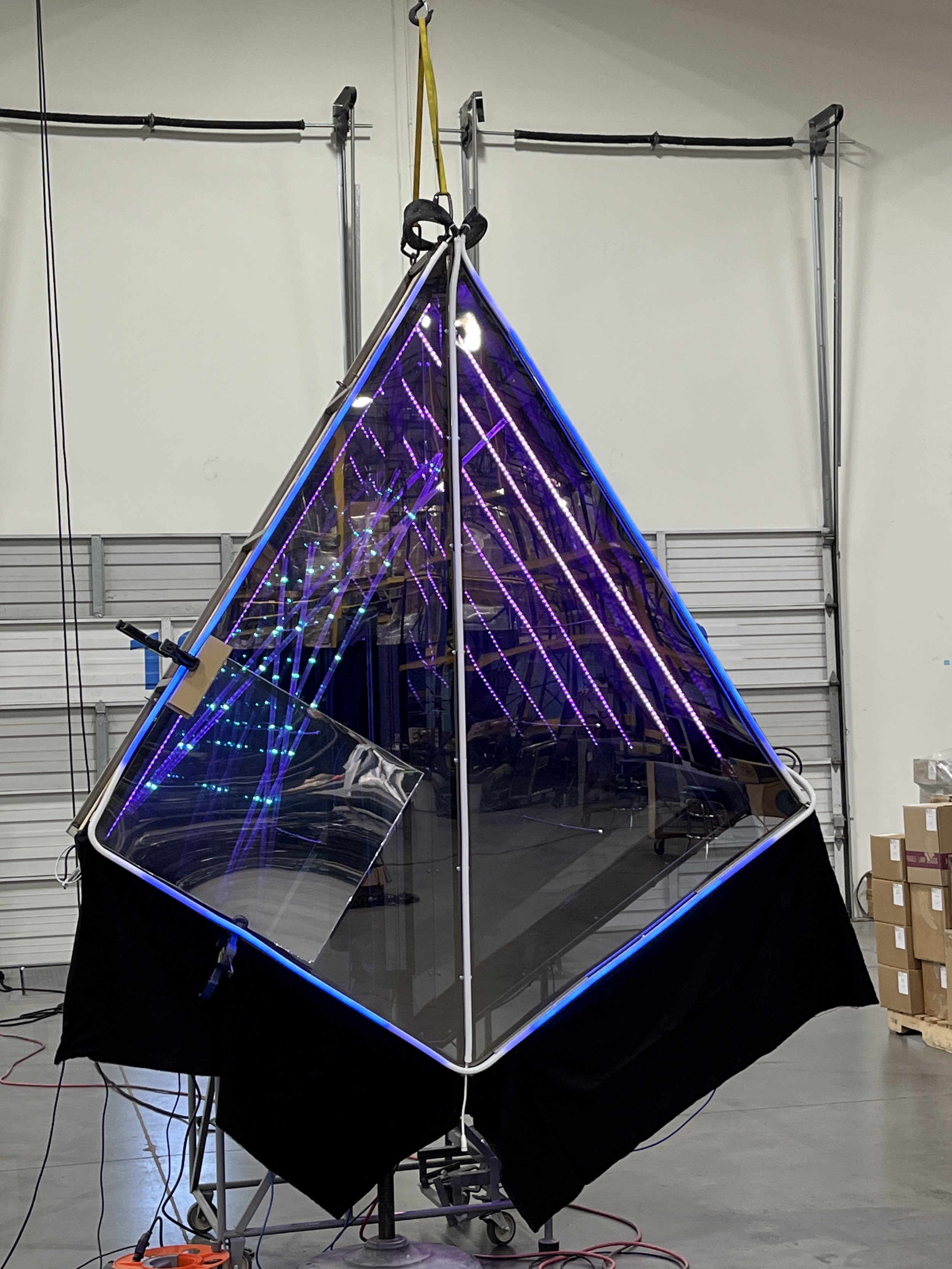
We hope you’ll get a chance to see the final results in New York!
As you may have noticed, above we used both terms - one-way mirror and two-way mirror to mean the same thing. Yeah. We’re as annoyed by that as you. Both mean the exact same thing.
The correct technical term is a partially reflective mirror or semi-transparent mirror. It’s a sheet of glass (or acrylic) with a thin metallic coating (often aluminum or silver) that reflects some light and allows the rest to pass through.
The term “two-way mirror” is more commonly used in theatrical, architectural, and technical contexts—highlighting the dual function: some light goes through, some reflects back. The phrase “one-way mirror” gained popularity through law enforcement and pop culture, particularly for surveillance use, where one side appears to be a mirror while the other sees through it. But that’s just a function of lighting balance: the side in the brighter space sees a mirror, while the darker side sees through.
So whether you call it one-way or two-way, you’re working with the same physics